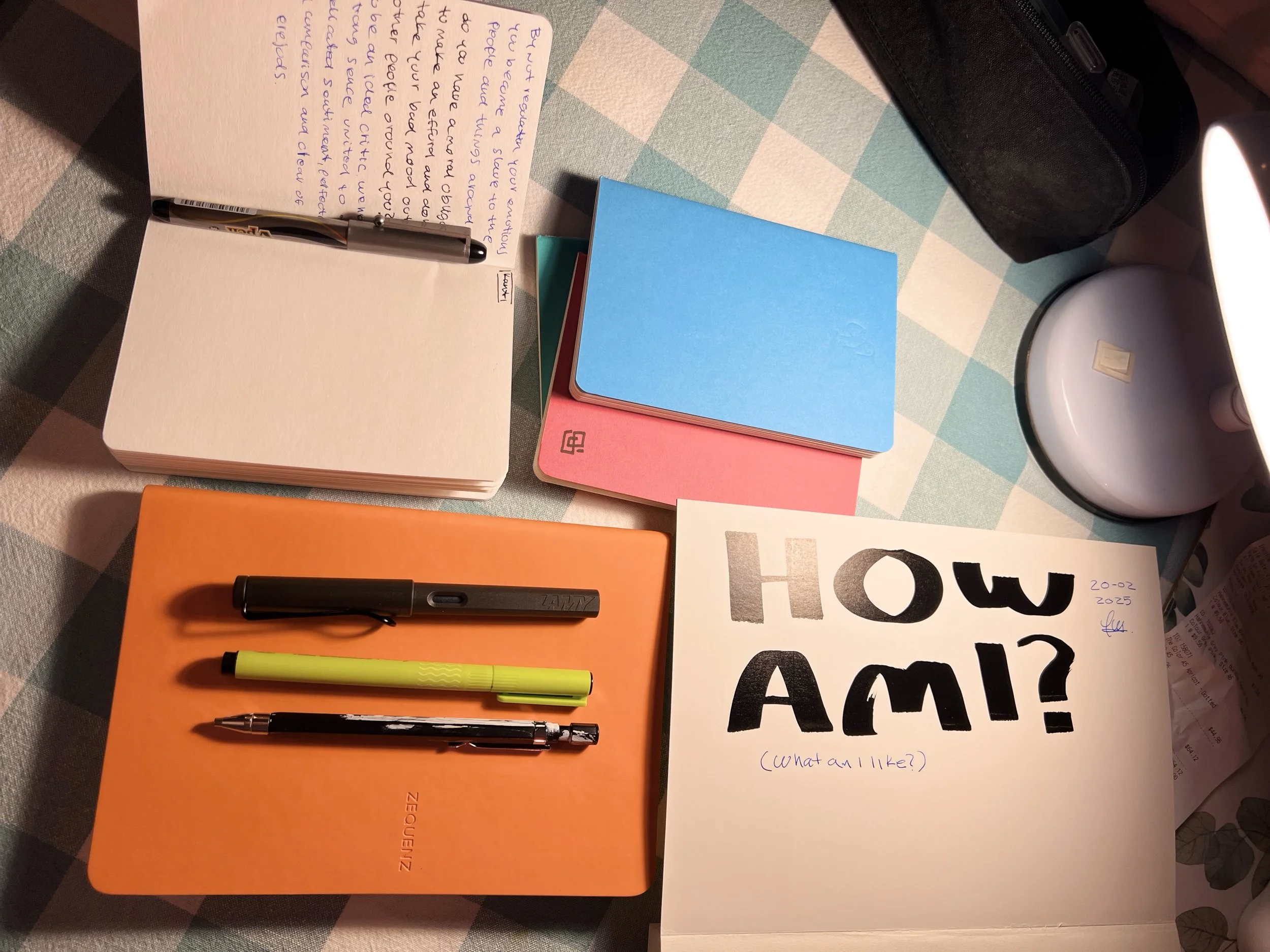
HOWAMI?
A journey through memory, identity and what it means to truly know oneself
ABOUT THE PROJECT
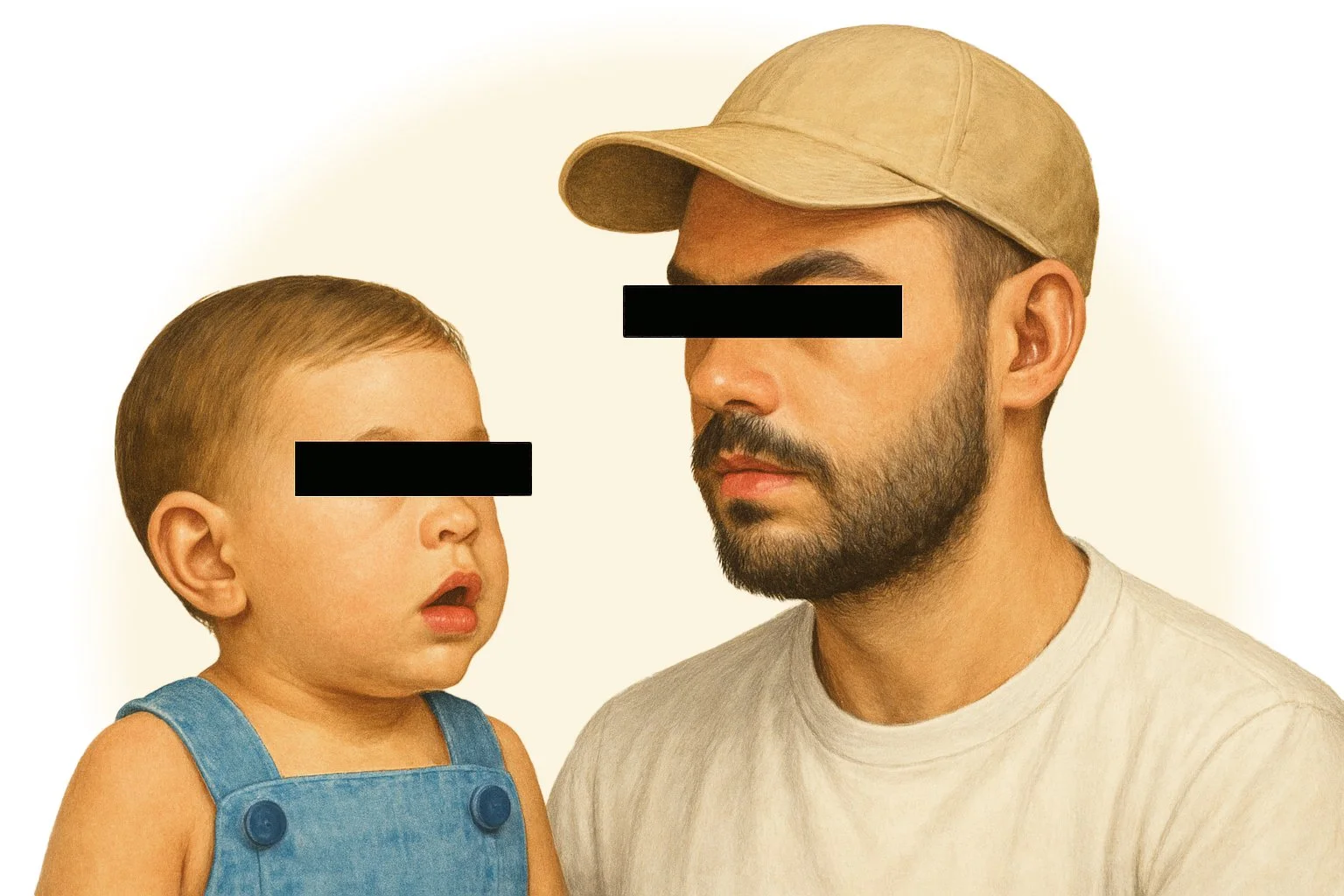
“How am I?” is a personal exploration of memory and identity.
Through photographs, reflections, and philosophical inquiry, I trace the invisible lines between the past and the present — seeking to understand not just what happened, but who I became because of it.
This project is not about nostalgia or perfection.
It is about confronting my memories honestly, questioning the narratives I inherited, and reconstructing a version of myself rooted in authenticity.
"How am I?" is a conversation with my past and a declaration of presence.
HOW THE IDEA STARTED
For years, I lived feeling that much of what I thought, believed, and expected from life had been built by others — family, culture, religion, society.
After a long period of questioning and emotional exhaustion, I asked myself a simple but profound question:
"How much of what I believe is truly mine?"
That question led me to revisit my childhood memories, the city where I grew up, the cultural and historical forces that shaped me.
HOW AM I? is my attempt to untangle memory from assumption, to find what is truly mine beneath everything I was taught.
THE METHODOLOGY
I structured this journey chronologically, starting from my earliest memories and moving through different stages of life.
For each memory, I explore:
Personal recall: what I remember and how it feels today.
Contrast: comparing my version with others’ memories or historical facts.
Emotional impact: how the experience shaped me.
Cultural and historical context: what was happening in Medellín, Colombia, and the world at the time.
I also frame each memory through philosophical lenses — exploring how thinkers like Kant, Hume, Ricoeur, and Fromm can help us understand memory, identity, and the construction of self.
EXAMPLE: THE POOL INCIDENT
One of my earliest memories takes place during a swimming lesson when I was a child.
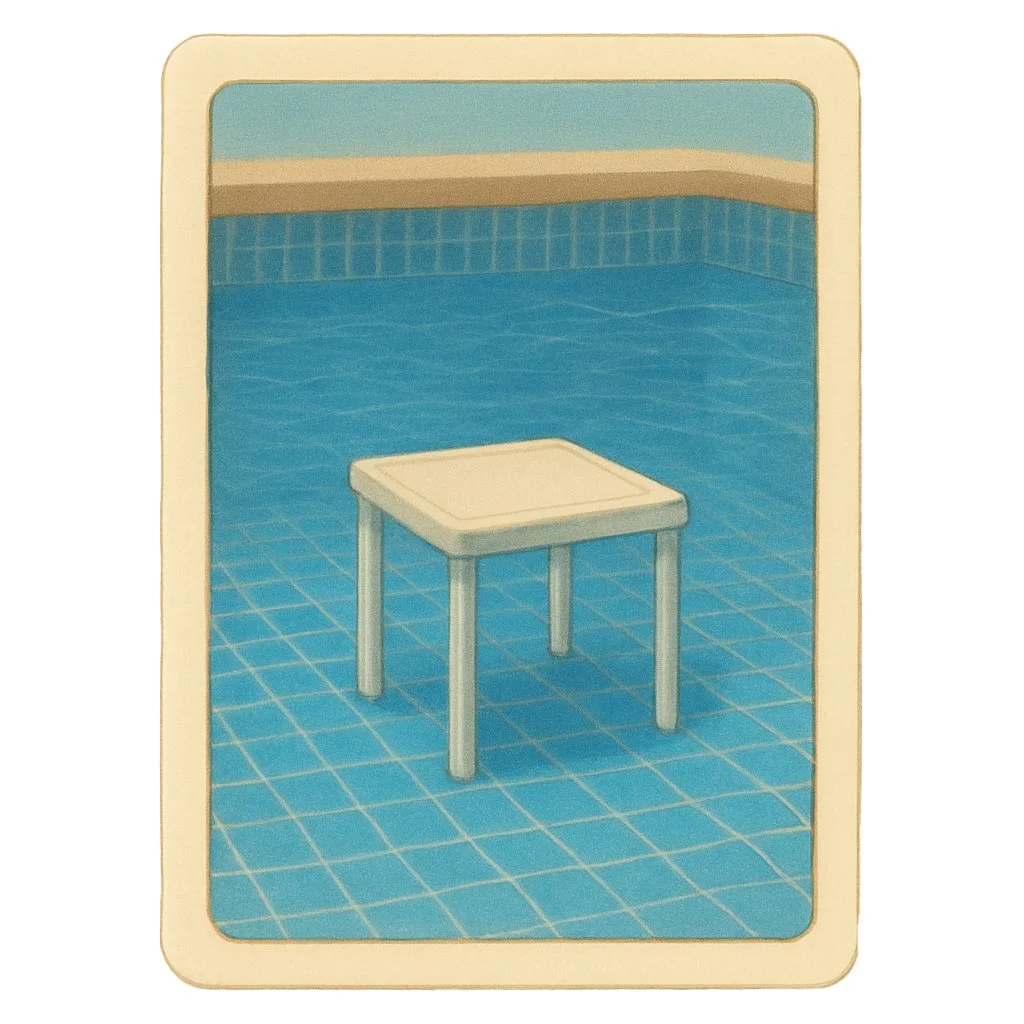
I remember struggling to cross a pool, swimming between submerged white plastic tables.
At one point, I lost strength and began to sink.
In my memory, my mother was there, watching by the pool.
But when I spoke to her years later, she told me she wasn't present. It was a normal day, and she had left me at the class as usual.
This small divergence between what I remembered and what actually happened made me question the nature of memory itself.
Was my mind protecting me by imagining her presence?
How much of what we remember is real — and how much is what we needed to believe?
PHILOSOPHICAL APPROACH
Philosophy became a vital tool in this project.
Kant helped me understand that perception is filtered through our mind’s categories.
Hume taught me that identity is not a fixed core, but a bundle of impressions and memories.
Ricoeur showed me that we become ourselves through the stories we tell.
Fromm reminded me that real freedom means choosing who we are, not just repeating what was given.
HOW AM I? stands at the crossroads of memory and philosophy — seeking not absolute truth, but authentic meaning.
WHAT'S NEXT
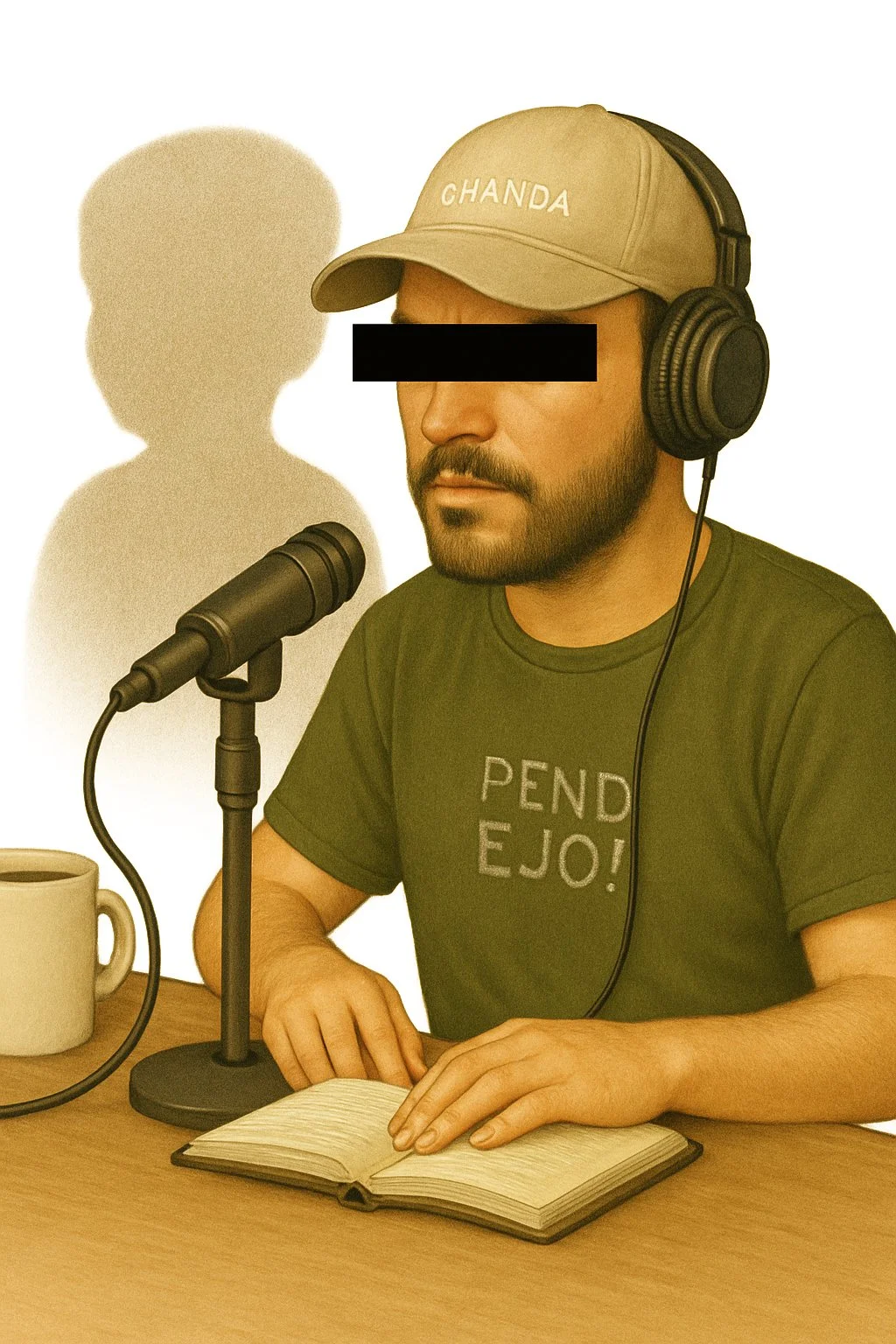
This project will evolve into a digital experience where users can upload their own photographs, explore memories, and reflect on their personal histories.
Future features will include:
Personal timelines of memories.
AI-assisted emotional and historical analysis.
Private reflections and journaling tools.
“HOW AM I?” aims to inspire not just personal introspection, but a deeper understanding of how history, culture, and memory intertwine in all of us.
Thank you for walking through these memories with me.